
How to Sell a Home With a Child Support or Judgment Lien in New Jersey
Facebook
X
Email
Print
Published Tuesday, February 02, 2026
Hearing the words ‘child support lien’ can be frightening, often bringing up images of losing your home or having your finances frozen. While the effects of unpaid child support in New Jersey are serious, a lien doesn’t automatically mean foreclosure. In practice, having a New Jersey child support lien on your record does not typically prevent you from selling your property.
Think of a lien as a legal ‘dibs’ on your property’s title. It’s a public notice that a debt is owed, not an immediate seizure of your home. A New Jersey child support judgment on property sale simply means the debt must be paid off using the proceeds before the transaction can be finalized and the title officially transferred to the new owner.
Navigating this process might feel overwhelming, but it follows a clear, step-by-step plan. This guide walks you through what to do, who to contact, and how to ensure a smooth closing, putting you back in control.
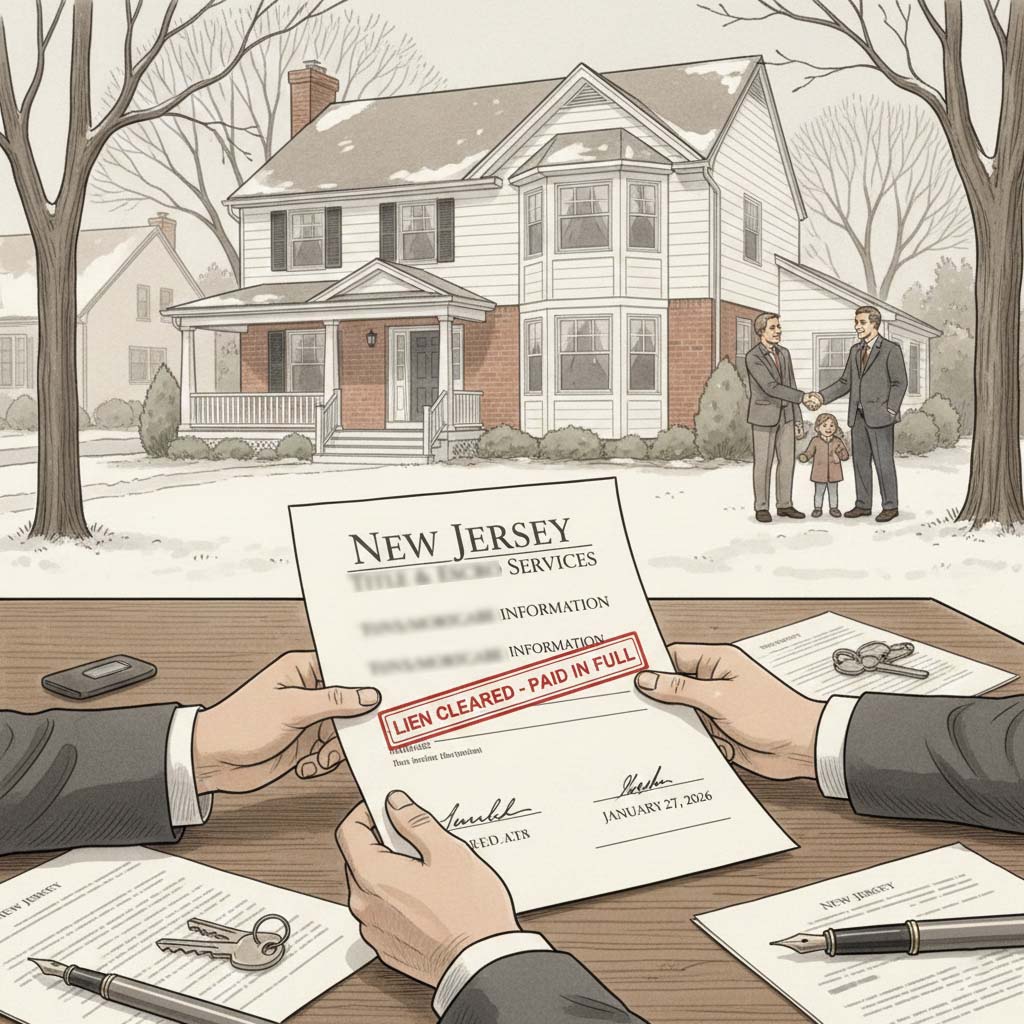
What is a New Jersey Child Support Lien? (And Why It's Not a Property Seizure)
A lien originates when past-due child support reaches a certain amount and the court issues a judgment. This is not a new trial but a legal document that makes the debt official and public. In New Jersey, this is managed by the state’s child support enforcement agency, which is part of the Probation Division. The judgment is the starting point for more serious collection efforts, including the lien itself.
A lien is different from a levy. A lien is a public claim that prevents you from selling or refinancing assets like a house until the debt is paid. A levy, on the other hand, is an actual seizure of assets, such as taking money directly from a bank account. A lien often serves as a warning before a levy might occur.
The lien is automatically generated by the state system once the judgment is in place, not an action taken directly by the other parent. This legal claim attaches to any real estate or other assets you own now or might own in the future within New Jersey.
The Automatic Process: How a Lien Gets Attached to Your Property
The lien process often begins without anyone needing to file new court papers. When past-due child support, known as arrears, builds up, New Jersey’s computer system automatically flags the case. A judgment is automatically created and recorded by the state. This system is designed to be an impartial enforcement tool, not a personal action from the other parent.
This single judgment acts as a statewide lien. A judgment for child support in NJ lasts for 20 years and can be renewed. During this time, the lien automatically attaches to any house or land you currently own and will attach to any real estate you buy in the future within the state. This long-lasting hold is why an NJ child support judgment on a property sale can halt a transaction years after it was first recorded.
Beyond Your House: All The Assets a NJ Child Support Lien Can Affect
A child support lien isn’t limited to a house. While it freezes your ability to sell or refinance a home, its power extends much further. The state’s goal is to ensure children receive the support they are owed, so the law allows the lien to attach to a wide variety of other valuable assets, especially unexpected financial windfalls.
This means the lien gives the state a legal claim to inheritance funds to satisfy arrears before the money is ever distributed to you. The same is true for NJ child support and personal injury settlements, insurance payouts, or even lottery winnings. The lien acts as a legal flag, allowing the state to intercept these funds to cover the past-due support.
A lien can attach to nearly any significant asset you own. The most common targets include:
- Real Estate (homes, land, and other property)
- Bank Accounts
- Inheritances
- Lawsuit or Personal Injury Settlements
- Lottery Winnings or Casino Jackpots
While its reach is broad, the lien’s most immediate impact is often felt when trying to sell a property.
Selling Your Home With a Lien: A Step-by-Step Guide
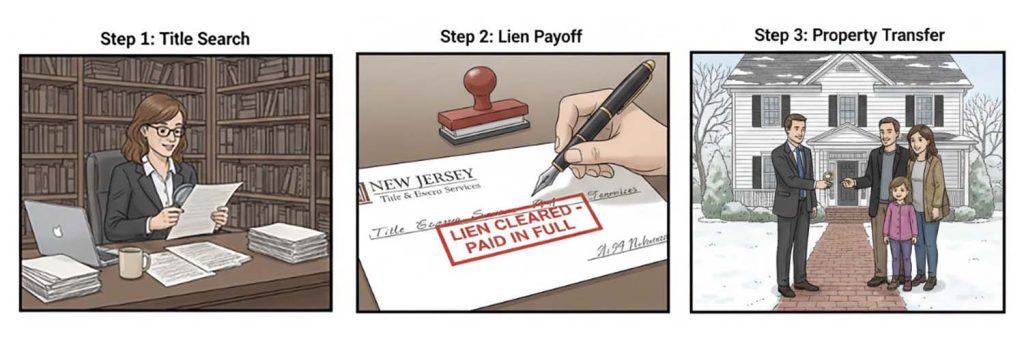
The moment you accept an offer on your home, the buyer’s title insurance company performs a routine title search to ensure the property can be sold free and clear. It’s almost always during this search that the child support judgment is discovered. While this may sound alarming, finding the lien is the first step toward resolving it.
Once identified, the title or settlement agent will contact the NJ Probation Division to request an official Payoff Letter. This letter states the exact amount of arrears needed to satisfy the debt and release the lien. This is a standard procedure that title professionals handle every day, so you won’t be navigating this part alone.
You typically do not need to come up with cash to pay the debt before the sale. An NJ child support judgment on a property sale is resolved directly at the closing. The settlement agent will deduct the full payoff amount from your sale profits, pay the state directly, and give you the remaining proceeds. For example, if you were due to receive $50,000 from the sale and the lien was for $10,000, you would receive $40,000 at closing.
For real estate professionals, this is a common transaction. The process ensures the debt is paid, triggers the official release of the child support judgment on the property, and allows the sale to proceed smoothly.
How to Proactively Check for a Child Support Judgment in NJ
You don’t have to wait for a title search to uncover a lien. Finding out where you stand ahead of time gives you control and prevents stressful surprises. Taking this step provides a clear picture of what is on your record and allows you to plan without the pressure of a pending sale.
The most direct way to check is by contacting the New Jersey Probation Child Support Enforcement office in your county or calling the statewide hotline. When you speak with a representative, ask specifically if there is a “docketed judgment” against you for child support arrears. This legal term ensures they look up the official court record that acts as a lien.
If a judgment exists, you haven’t hit a dead end. Knowing the facts is the first step toward removing the lien and clearing your name.
3 Ways to Remove a Child Support Lien in New Jersey
Once you’ve confirmed a judgment exists, you have options for how to remove a child support judgment in New Jersey. The path you choose often depends on your financial situation and whether you’re in the middle of a transaction like a home sale. There are three primary ways to resolve the debt:
- Pay the Judgment in Full. This is the most straightforward route. You pay the entire arrears amount directly to the Probation Division, and the process to remove the lien can begin quickly.
- Pay From Home Sale Proceeds. In this common scenario, the past-due amount is paid to the state from your proceeds at the closing table. You don’t need the cash upfront, as the title company handles the transaction.
- Negotiate an Arrears Settlement. In some cases, it may be possible to negotiate a New Jersey child support arrears settlement for a lower lump-sum payment. This requires the voluntary agreement of the parent who is owed the support; the state cannot force a settlement.
Regardless of the path, paying the agreed-upon amount isn’t the final step. To officially clear your record, you must ensure a satisfaction of child support judgment in New Jersey is filed with the court.
The Final Step: What is a Warrant of Satisfaction and Why It's Crucial
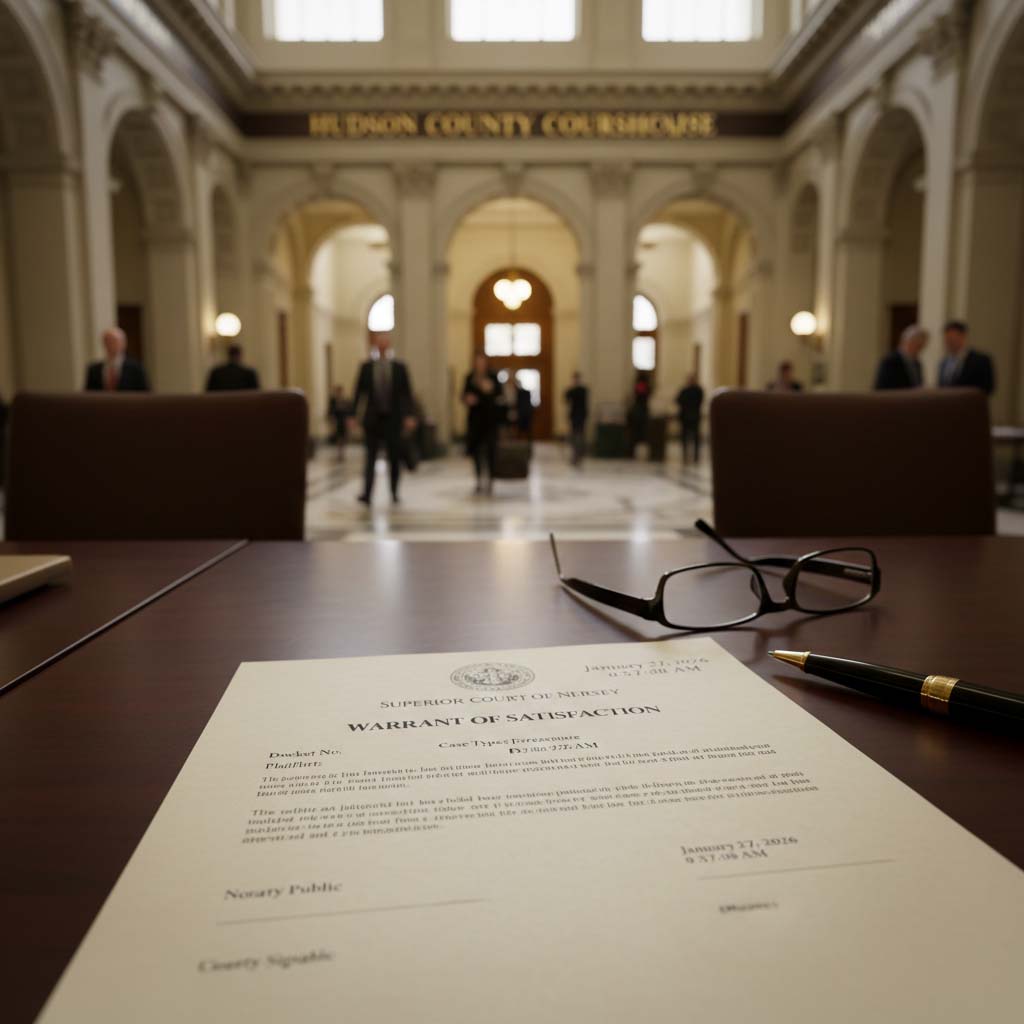
Paying off child support arrears is a huge relief, but it doesn’t automatically erase the judgment from public records. To do that, you need a document called a Warrant of Satisfaction. Think of it as the court’s official receipt. This legal paper is the ultimate proof that the debt has been paid as agreed, serving as the key to getting a release of the child support judgment on your property in NJ.
Without this step, the old judgment can linger in the system. Even though you’ve paid, the public record won’t reflect it, meaning the lien could still show up on a credit report, block a future loan application, or complicate another property sale. It’s the official filing of the warrant—not just the payment—that truly clears your name and your assets.
After the debt is settled, the Probation Division prepares the Warrant of Satisfaction. You must then ensure it gets filed with the NJ Superior Court Clerk in Trenton. This filing officially vacates the judgment and removes the lien. A quick follow-up call can prevent major headaches years from now.
Your Clear Path Forward to Resolving a NJ Child Support Lien
A New Jersey child support lien is a serious legal claim, but it is not an immovable roadblock. Resolving it follows a clear and manageable path. The first step is to contact the Probation Division to verify the exact payoff amount. Most often, this debt is settled directly from the proceeds of a property sale at closing.
The final, crucial step is ensuring a Warrant of Satisfaction is filed with the court to officially clear the lien from your property and your record. By following these steps, you can take control of the situation, clear the way for your financial goals, and move forward with confidence.
FAQs: Child Support & Judgment Liens in New Jersey
Can a child support lien stop a home sale in New Jersey?
No. A child support lien does not prevent a sale, but it must be paid or satisfied at closing before the title can transfer.
What’s the difference between a child support lien and a judgment lien in NJ?
A child support lien is automatically created by the state for unpaid support, while a judgment lien usually comes from a court ruling related to unpaid debts.
How long does a child support judgment last in New Jersey?
A child support judgment in NJ lasts 20 years and can be renewed if the debt remains unpaid.
Can I sell my house before paying the lien?
Yes. In most cases, the lien is paid directly from the home sale proceeds at closing.
What is a Warrant of Satisfaction in New Jersey?
It’s the official court document proving a lien or judgment has been paid and is required to remove it from public records.