
Well Water Testing & Septic Issues in New Jersey: What Homebuyers Must Know Before Closing
Facebook
X
Email
Print
Published Tuesday, Januray 02, 2026
Buying a home in New Jersey comes with unique responsibilities—especially if the property relies on well water and a septic system. These systems can provide years of reliable service, but only when properly inspected and maintained. Before you close on a home, it’s essential to understand well water testing NJ requirements, common septic system problems, and the potential impact on your health, budget, and long-term home value.
To help you make an informed decision, this guide breaks down the key things every NJ homebuyer needs to know, including state regulations, inspection steps, maintenance tips, and what to look out for during negotiations.
In New Jersey, well water testing is not just a recommendation; it’s a requirement under the Private Well Testing Act (PWTA). This law mandates that any property transaction involving a private well must include a water test. Here’s what you need to know:

New Jersey’s Private Well Testing Act (PWTA): What Buyers Need to Know
The primary reason for well water testing is to ensure the safety and quality of the water supply. Contaminants in well water can lead to health issues, making testing essential. In New Jersey, specific tests are required to identify common contaminants such as bacteria, nitrates, and volatile organic compounds (VOCs).
New Jersey is one of the few states where well water testing is required by law during most real estate transactions. The Private Well Testing Act (PWTA) mandates that buyers and sellers receive certified testing results before closing.
Why Well Water Testing Matters
Well water can contain contaminants that affect both water quality and health, including:
- Total coliform & E. coli
- Nitrates
- Volatile Organic Compounds (VOCs)
- Lead
- Arsenic
- Mercury
County-Specific Requirements
PWTA testing requirements vary by county. For example:- Mercer & Burlington County: Often require testing for arsenic and gross alpha due to known groundwater concerns.
- Monmouth & Ocean County: Elevated iron/manganese levels are common in well-only regions.
This is why hiring a Realtor who understands septic well issues in New Jersey is critical. For assistance understanding PWTA test results, contact us today!
What to Do If Well Water Issues Are Found
If tests reveal contaminants, action must be taken. Solutions can range from installing water treatment systems to drilling a new well. The costs and logistics of these solutions should be considered in your overall budget for purchasing the property.
You generally have several options:
- Install a treatment system (e.g., reverse osmosis, carbon filtration)
- Shock chlorinate the well
- Test deeper aquifers or evaluate well construction
- Negotiate repairs or credits before closing
Septic Tank Inspection in NJ: Why It’s Essential Before Closing
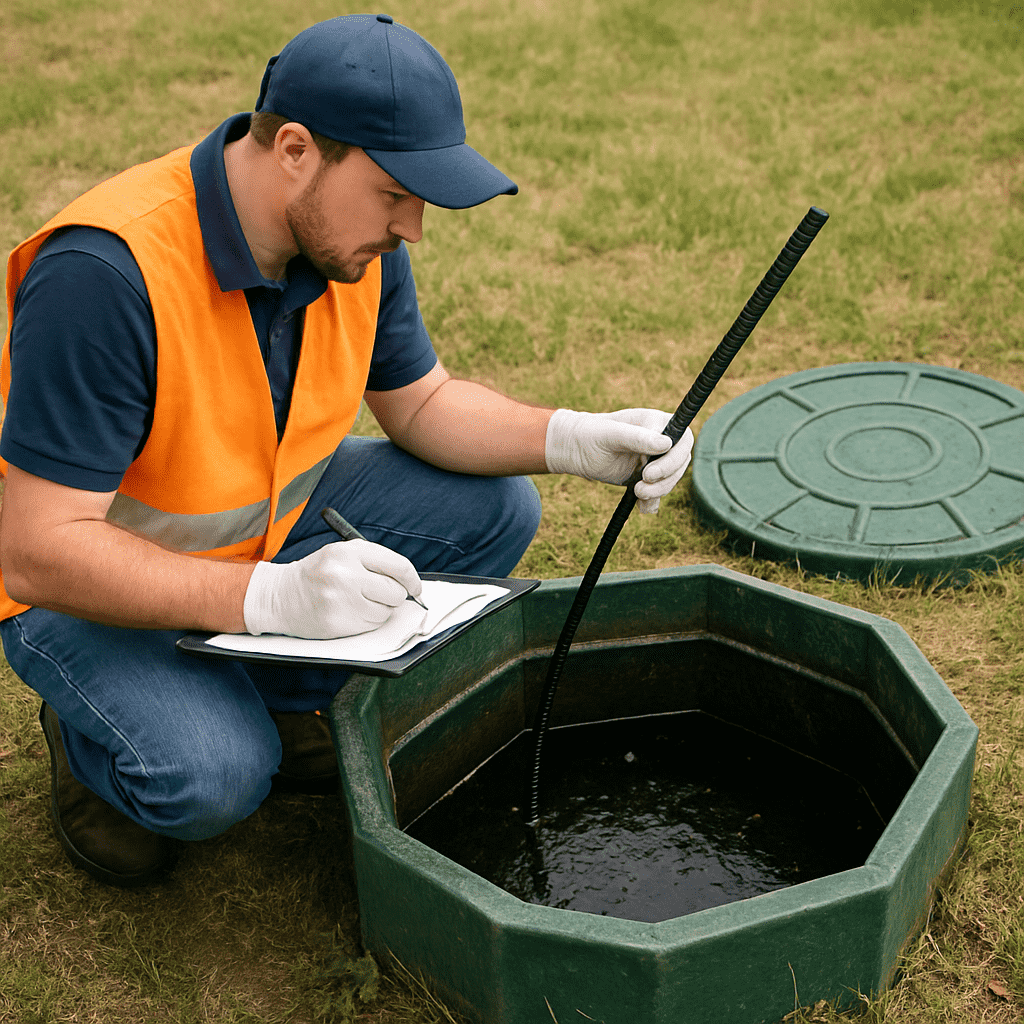
Many New Jersey homes—especially in rural Mercer, Burlington, and Monmouth County—use septic systems. A septic tank inspection NJ buyers can trust is essential because repairs can cost thousands if issues go unnoticed.
Why Septic Inspections Are Critical
Septic systems play a vital role in managing household waste. A failing septic system can lead to environmental hazards, property damage, and costly repairs. Therefore, a comprehensive septic tank inspection in NJ is essential before closing on a property.Common Septic System Problems
During inspections, the most frequently found issues include:
- Clogged or damaged pipes causing backups
- Leaking or cracked septic tanks
- Drain field saturation or failure
- Incorrect system sizing for the home
- Tree root intrusion
- Flooding impact in low-lying NJ areas
What a Proper NJ Septic Inspection Includes
A reputable septic inspector will:
- Perform a full visual inspection
- Pump the tank to check structural integrity
- Inspect the baffles, distribution box, and leaching field
- Evaluate soil conditions and groundwater level
- Test for hydraulic load (depending on local guidelines)
Environmental Issues That Affect Wells & Septic Systems in NJ
When purchasing a home with well water and a septic system, it’s crucial to consider broader environmental issues in New Jersey real estate. Groundwater contamination and soil stability are two factors that can impact both water quality and septic system performance.
New Jersey’s industrial past and varied soil conditions create additional risks:
Groundwater Concerns
New Jersey’s industrial past has left a legacy of contamination in some areas, which can affect groundwater quality. It’s wise to research the history of the area and consult with environmental experts if necessary.
Some areas face challenges such as:
- Historic manufacturing contamination
- Elevated naturally occurring metals
- Shallow groundwater that increases septic failure risks
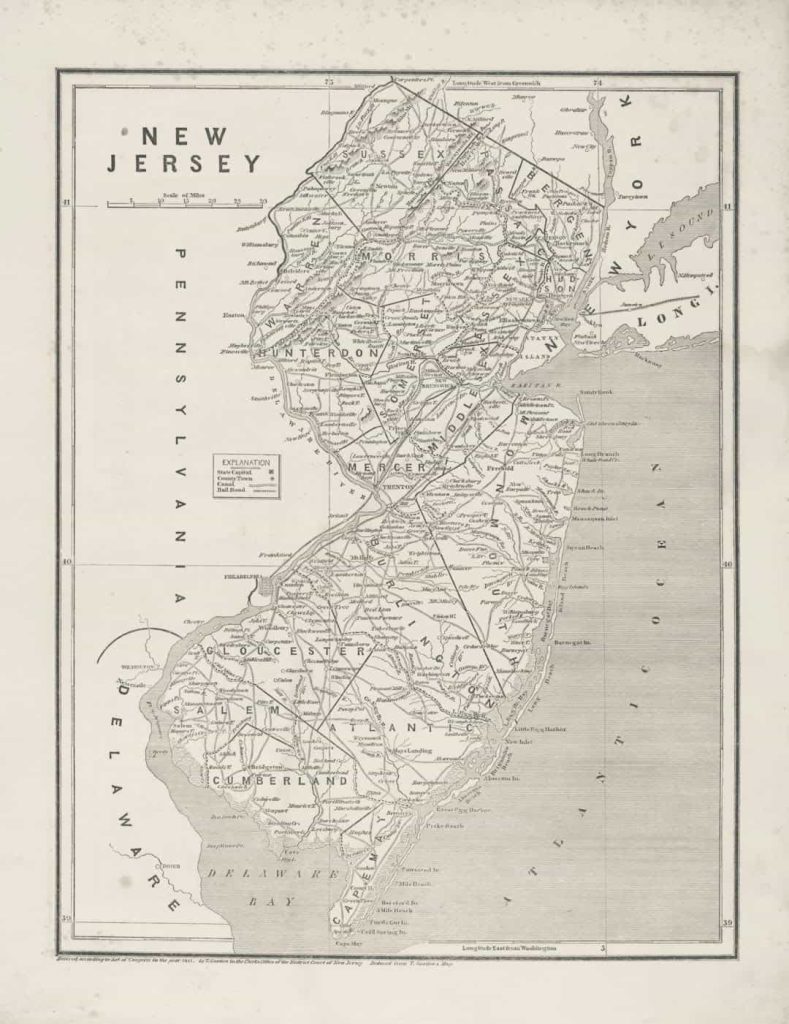
Homes in parts of Mercer County, Upper Freehold, Jackson, and rural Burlington County often require extra diligence.
Impact on Property Value
Properties with known environmental issues or potential for contamination can see a decrease in value. Ensuring that you are buying a property with a clean environmental bill of health is crucial.
Environmental issues—not just system problems—can influence:
- Home appraisal
- Negotiation leverage
- Long-term maintenance costs
A local expert Realtor can help review disclosures, inspection reports, and environmental history.
How to Maintain Your Septic & Well Water Systems After Purchase
Once you’ve purchased your home, regular maintenance of your septic and well water systems is crucial for ensuring long-term functionality and safety.
Septic Tank Care
To extend your system’s lifespan:
- Pump every 3–5 years (depends on household size)
- Avoid flushing wipes, grease, oils, chemicals
- Keep heavy vehicles off the drain field
- Install effluent filters where applicable
- Redirect gutters and drainage away from the field
Well Water Maintenance
- Test annually for bacteria and nitrates
- Test every 3–5 years for arsenic and heavy metals
- Keep well cap sealed and elevated
Conclusion
Purchasing a home with well water and a septic system in New Jersey involves unique considerations, but it doesn’t have to feel overwhelming—especially when you have the right support. By understanding state requirements for well water testing and the importance of septic inspections, you can protect your investment, safeguard your health, and avoid costly surprises.
If you need help navigating PWTA disclosures, coordinating with trusted inspectors, or negotiating repairs and credits before closing, the Sharif Sells Team is here to guide you every step of the way. As experienced New Jersey real estate professionals, we connect you with reputable well and septic experts, help you interpret reports, and ensure you make confident, informed decisions throughout the buying process.
Whether you’re a first-time buyer or an experienced homeowner, staying proactive—and having a knowledgeable Realtor team on your side—makes all the difference when purchasing a home with well water and a septic system in New Jersey.